
Cruelty-Free Skincare Self-Care: 60% Skip Key Steps
Every day, women expose their skin to an average of 168 chemicals, many of which can harm skin health and compromise your glow. A cruelty-free skincare self-care workflow protects your skin barrier while supporting ethical values you believe in. This article delivers a step-by-step cruelty-free workflow designed to help you achieve radiant, healthy skin in just 4-6 weeks.
Table of Contents
- Introduction To Cruelty-Free Skincare And Self-Care
- Prerequisites: What You Need Before Starting
- Step-By-Step Cruelty-Free Skincare Workflow
- Common Mistakes And How To Avoid Them
- Expected Results And Timeline
- Sustainability And Ethical Considerations
- Discover Your Perfect Cruelty-Free Skincare Routine With Passé Daisy
- Frequently Asked Questions
Key Takeaways
| Point | Details |
|---|---|
| Cruelty-free skincare avoids harmful chemicals | Products free from parabens, sulfates, and synthetic fragrances protect your skin barrier and reduce irritation. |
| Proper layering and timing maximize efficacy | Apply products from lightest to heaviest texture, waiting 30-60 seconds between layers for optimal absorption. |
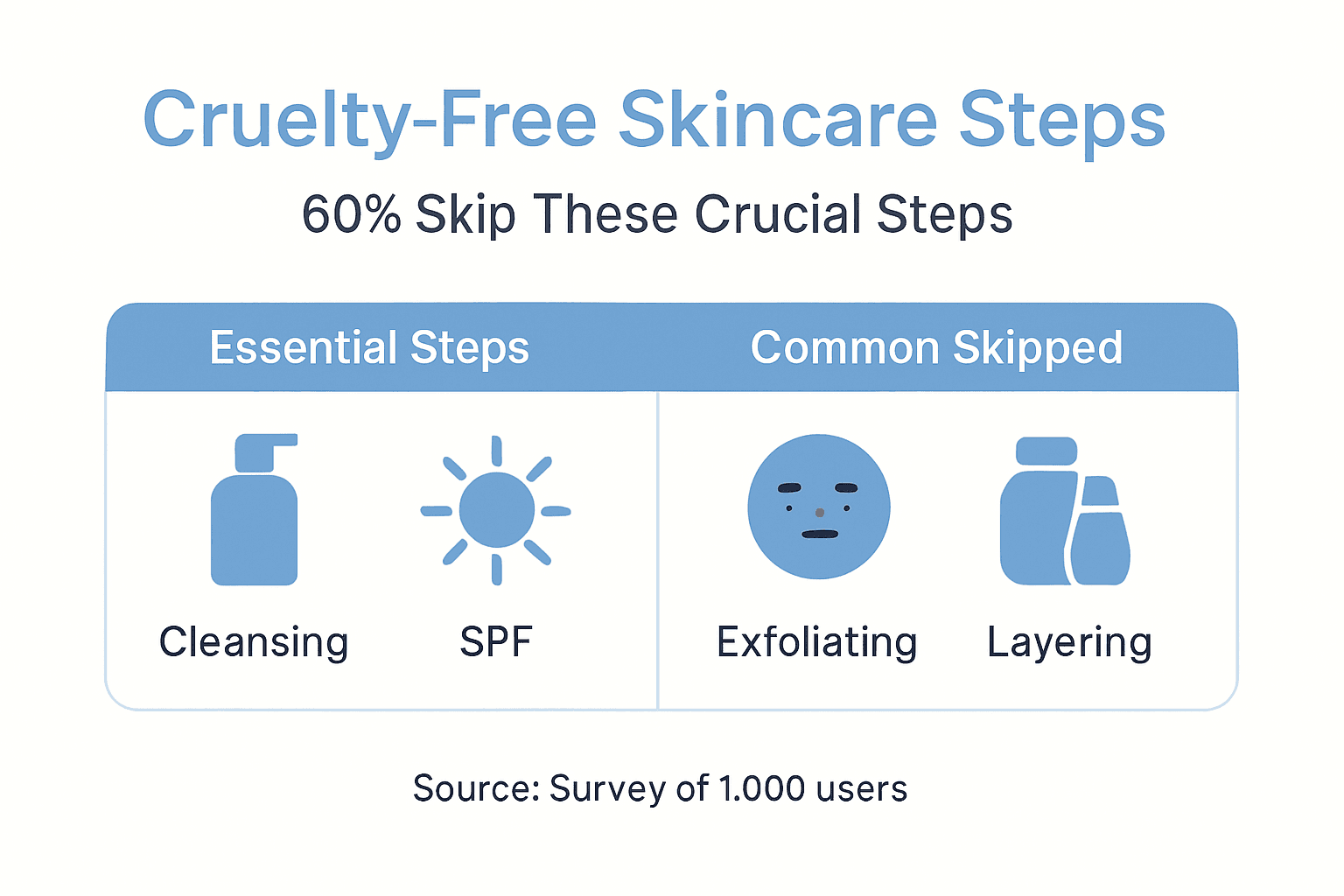
| Common mistakes hinder results | Up to 60% of users over-exfoliate or apply products in the wrong order, reducing effectiveness. |
| Visible improvements take 4-6 weeks | Expect increased hydration within 2-3 weeks and noticeable brightness by week six with consistent use. |
| Ethical certifications matter | Look for Leaping Bunny or PETA verification to ensure products meet rigorous cruelty-free standards. |
Introduction to Cruelty-Free Skincare and Self-Care
Cruelty-free skincare means no animal testing occurs at any stage of product development or ingredient sourcing. These formulas adhere to certification standards that verify ethical practices throughout the supply chain. When you choose cruelty-free products, you support both personal wellness and environmental sustainability.
Avoiding parabens, sulfates, and synthetic fragrances in cruelty-free skincare maintains skin barrier health and reduces irritation. These harmful ingredients can strip natural oils, trigger allergic reactions, and disrupt hormone function over time. Ethical skincare formulas replace these with gentle, effective alternatives that work with your skin’s natural processes.
Using cruelty-free products reduces your exposure to irritating or harsh chemicals that conventional formulas often contain. Self-care with cruelty-free skincare aligns perfectly with conscious beauty goals and your commitment to radiant skin. Understanding why use cruelty-free skincare helps you make informed choices that benefit both your complexion and the planet.
Key ingredients to avoid in conventional skincare include:
- Parabens that disrupt hormonal balance and cause sensitivities
- Sulfates that strip protective oils and damage skin barrier function
- Synthetic fragrances linked to allergic reactions and inflammation
- Phthalates that penetrate skin and accumulate in body tissues
Exploring organic cruelty-free skincare brands gives you access to formulas that prioritize ingredient integrity and manufacturing ethics. These brands invest in sustainable sourcing, eco-friendly packaging, and transparent practices that support your values.
Prerequisites: What You Need Before Starting
Before beginning your cruelty-free workflow, identify your skin type: dry, oily, combination, or sensitive. This knowledge guides targeted product selection that addresses your specific concerns. Dry skin needs richer moisturizers, while oily skin benefits from lightweight, oil-free formulas.
Gather essential cruelty-free tools suited to your skin needs. Look for gentle cleansers that remove impurities without stripping natural oils. Choose alcohol-free toners that balance pH and prep skin for better product absorption. Select broad-spectrum SPF 30 or higher for daily UV protection.
Patch testing new products prevents adverse reactions to unfamiliar ingredients. Daily chemical exposures average 168 per person, which can cause allergies or sensitivities you may not anticipate. Apply a small amount of product to your inner wrist or behind your ear, then wait 24-48 hours to check for redness or irritation.
Having the right tools and knowledge prepares you for consistent self-care success. Patience and routine consistency unlock long-term benefits that transform your skin health. Understanding ethical skincare workflow prerequisites ensures you start from a position of strength.
Pro Tip: Keep a skincare journal to track which products work best for your skin. Note any reactions, improvements, or concerns to refine your routine over time.
Essential tools by skin type:
| Skin Type | Cleanser | Moisturizer | Special Needs |
|---|---|---|---|
| Dry | Cream-based, hydrating | Rich cream with ceramides | Face oil for extra nourishment |
| Oily | Gel or foaming, oil-free | Lightweight gel formula | Clay mask weekly |
| Combination | Gentle gel cleanser | Balanced lotion | Targeted treatments for zones |
| Sensitive | Fragrance-free, non-foaming | Minimal ingredients, soothing | Patch test everything first |
Applying eco-friendly skincare tips to your preparation phase reduces waste and maximizes product effectiveness. Choose multi-use products and sustainable packaging when possible. Learn about the importance of patch testing to protect your skin from preventable irritation.
Step-by-Step Cruelty-Free Skincare Workflow
Follow these steps daily to build a routine that delivers visible results while honoring your ethical values.
-
Cleanse gently with a cruelty-free formula suited for your skin type. Morning cleansing removes overnight oil buildup, while evening cleansing eliminates makeup, SPF, and environmental pollutants. Choose sulfate-free formulas that clean without stripping your skin barrier.
-
Exfoliate 1-3 times weekly with chemical exfoliants tailored to your sensitivity level. Sensitive skin does well with lactic acid or PHAs once weekly. Normal to oily skin can handle glycolic acid or salicylic acid 2-3 times weekly. Avoid physical scrubs that create micro-tears in skin.
-
Apply alcohol-free hydrating toner to balance pH and prep skin for better product absorption. Pat toner into slightly damp skin immediately after cleansing. This step helps subsequent products penetrate more effectively.
-
Layer serums from lightest to heaviest texture. Skincare layering should proceed from water-based to oil-based products, waiting 30-60 seconds between layers for proper absorption. Start with vitamin C serum in the morning for brightness and antioxidant protection. Follow with hyaluronic acid serum to boost hydration.
-
Moisturize with gel, cream, or oil based on your skin needs. Gel moisturizers suit oily or combination skin, while creams work better for dry or mature skin. Lock in all previous layers by sealing with appropriate moisture.
-
Apply SPF 30+ every morning for UV protection and long-term skin health. Daily SPF application is essential, especially when using active ingredients like vitamin C or exfoliants. Choose mineral sunscreens with zinc oxide or titanium dioxide for reef-safe, cruelty-free protection.
Pro Tip: Apply SPF as your final morning step, even on cloudy days or when staying indoors near windows. UV rays penetrate glass and cause cumulative damage.
Wait times between layers optimize absorption and prevent product interference. Rushing through your routine reduces effectiveness by up to 40%. Understanding choosing skincare ingredients helps you select formulas that work synergistically.
| Exfoliation Type | Best For | Frequency | Benefits |
|---|---|---|---|
| Chemical (AHA/BHA) | All skin types when properly matched | 1-3 times weekly | Dissolves dead cells, evens tone, boosts radiance |
| Physical (scrubs) | Not recommended | Avoid or rare use only | Can damage skin barrier and cause irritation |
| Enzyme | Sensitive skin | 1-2 times weekly | Gentle exfoliation without irritation |
Explore cruelty-free ingredient examples to understand what goes into your products. Follow detailed ethical skincare workflow steps for comprehensive guidance. Learn more about skincare layering order principles and daily sunscreen importance to maximize your routine’s effectiveness.
Common Mistakes and How to Avoid Them
Skipping or inconsistent SPF exposes your skin to UV damage that accelerates aging and increases cancer risk. Even on overcast days, up to 80% of UV rays penetrate clouds. Make SPF application non-negotiable in your morning routine.
Over-exfoliating disrupts your skin barrier, causing redness, sensitivity, and chronic dryness. Up to 60% of skincare users over-exfoliate, damaging their skin barrier and creating more problems than they solve. Limit exfoliation to your skin’s tolerance level, typically 1-3 times weekly.
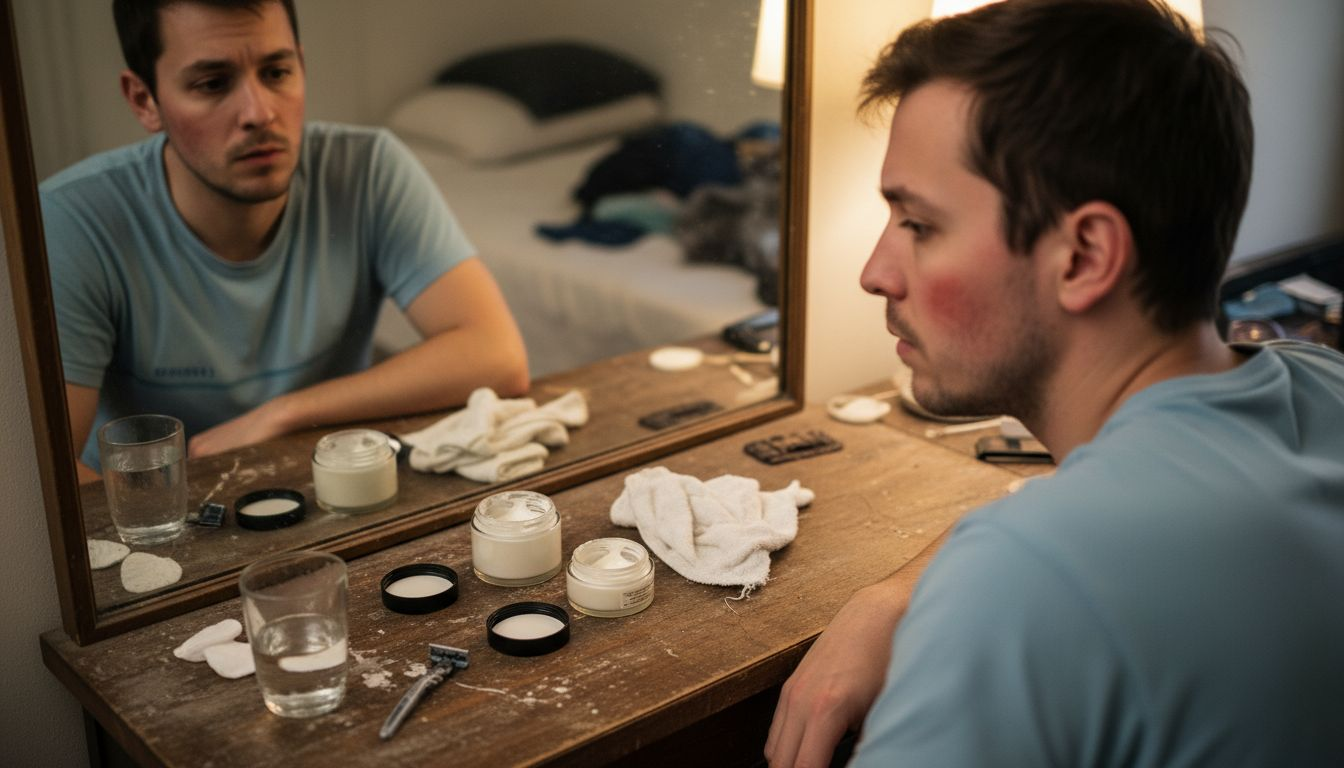
Incorrect product layering decreases ingredient effectiveness significantly. 40% of users apply products in wrong order, reducing the benefits they paid for. Always move from thinnest to thickest consistency, allowing each layer to absorb before adding the next.
Using fragranced products can irritate sensitive skin, causing unexpected flares or persistent breakouts. Synthetic fragrances contain dozens of undisclosed chemicals that trigger reactions. Choose fragrance-free formulas, especially if you have reactive or sensitized skin.
Pro Tip: If your skin feels tight, red, or excessively oily, you may be over-cleansing or over-exfoliating. Scale back to gentle products and give your barrier time to repair.
Key mistakes to avoid:
- Applying vitamin C serum after moisturizer instead of before
- Using hot water during cleansing, which strips protective oils
- Mixing too many active ingredients at once, causing irritation
- Neglecting neck and chest areas that show aging signs early
- Expecting overnight results instead of allowing 4-6 weeks for visible changes
“Your skin barrier is like a brick wall. Over-exfoliating removes too many bricks, leaving gaps where moisture escapes and irritants enter. Gentle, consistent care builds a stronger wall over time.”
Applying sensitive skin care tips prevents many common mistakes. Understanding common skincare mistakes helps you avoid pitfalls that delay your results.
Expected Results and Timeline
Within 2-3 weeks, expect increased hydration and noticeably softer skin texture. Your skin will feel more supple and plump as moisture retention improves. Fine lines caused by dehydration begin to soften.
By 4-6 weeks, skin tone brightens and overall radiance improves significantly. Vitamin C and hyaluronic acid serums improve brightness and hydration within 3-6 weeks when used consistently. You may notice reduced hyperpigmentation and a more even complexion.
Noticeable reduction in irritation and improved skin barrier strength occur by one month of consistent use. Redness decreases, and your skin becomes more resilient to environmental stressors. Breakouts may initially increase as skin purges, then improve dramatically.
Consistent daily SPF use prevents UV damage and maintains your hard-won results. Without sun protection, active ingredients like vitamin C become less effective, and pigmentation issues return. Think of SPF as insurance for your skincare investment.
Long-term use of ethical ingredients sustains both skin health and environmental wellness. Cruelty-free formulas work with your body’s natural processes rather than against them. This approach creates lasting change rather than temporary fixes.
Discover tips for achieving glowing skin naturally and understand the timing for skin improvements based on your specific concerns.
Sustainability and Ethical Considerations
Recognize key cruelty-free certifications that verify ethical practices. Leaping Bunny certification requires companies to open their supply chains to independent audits, ensuring no animal testing occurs anywhere in the process. PETA certification also verifies cruelty-free status but with slightly different verification methods.
Choose brands offering sustainable packaging such as refillable containers, recyclable materials, or minimal packaging designs. Glass containers can be recycled indefinitely, while many plastic pumps end up in landfills. Some brands now offer refill stations or mail-back programs.
Ethical brands focus on ingredient sourcing that respects both people and planet. Fair labor practices ensure workers receive living wages and safe conditions. Sustainable harvesting protects ecosystems and maintains biodiversity for future generations.
Supporting such brands aligns your personal self-care routine with planetary health and sustainability. Every purchase becomes a vote for the kind of beauty industry you want to see. Collective consumer choices drive industry-wide changes toward better practices.
Sustainability practices enhance both the wellness benefits and long-term efficacy of your skincare routine. Products made with integrity often perform better because brands invest in quality ingredients rather than marketing hype. Understanding eco-friendly skincare concepts helps you make informed choices.
Key certifications to look for:
- Leaping Bunny certification with comprehensive supply chain audits
- PETA cruelty-free certification for verified animal-friendly practices
- USDA Organic for ingredient purity and sustainable farming
- B Corporation status indicating overall social and environmental performance
Exploring ethical luxury in skincare shows how sustainability and efficacy work together beautifully.
Discover Your Perfect Cruelty-Free Skincare Routine with Passé Daisy
Ready to transform your skincare approach with products that deliver visible results while honoring your values? Passé Daisy offers meticulously crafted, cruelty-free formulas that support the exact workflow outlined in this article.
Explore our comprehensive ethical skincare workflow 2026 guide for detailed routines tailored to your skin type. Learn about choosing skincare ingredients naturally to understand what goes into every formula.
Our Feels Like Silk Peptide Moisturizer exemplifies step 5 in your workflow, delivering luxurious hydration that locks in serums and protects your skin barrier. Every Passé Daisy product reflects years of hands-on skincare testing expertise and commitment to both elegance and efficacy.
Join the growing number of consumers choosing ethical skincare workflows for superior skin health and environmental sustainability. Visit our blog and product pages today to start your cruelty-free skincare journey with confidence.
Frequently Asked Questions
How do I know if a product is truly cruelty-free?
Look for third-party certifications like Leaping Bunny or PETA on product packaging or brand websites. These organizations conduct independent audits of supply chains to verify no animal testing occurs. Be cautious of brands that claim cruelty-free status without certification, as this may not include ingredient suppliers.
Can I use cruelty-free skincare if I have sensitive skin?
Absolutely. Cruelty-free formulas often avoid harsh chemicals like sulfates, parabens, and synthetic fragrances that trigger sensitivity. Start with fragrance-free, minimal-ingredient products and always patch test new items before applying to your face. Many cruelty-free brands specifically formulate for sensitive skin types.
How often should I update or change my skincare products?
Stick with a routine for at least 4-6 weeks before making changes, as this allows time to see real results. Replace products when they expire, typically 6-12 months after opening for most formulas. Update your routine seasonally if your skin needs shift between humid summers and dry winters.
Are natural ingredients always better for skin health?
Not necessarily. Some natural ingredients like essential oils can irritate sensitive skin, while synthetic ingredients like hyaluronic acid are often gentler and more effective. Focus on ingredient function and your skin’s individual response rather than natural versus synthetic labels. What matters most is formulation quality and suitability for your skin type.
What if I miss a day in my skincare routine?
Missing one day will not derail your progress. Simply resume your routine the next day without trying to compensate or double up on products. Consistency over weeks and months matters more than perfection every single day. If you frequently forget your routine, simplify it to the essentials: cleanser, moisturizer, and SPF.
Recommended
Let customers speak for us
Their packaging is adorable and I’m literally obsessed with their vitamin c moisturizer.
One of my faves! Not too heavy & leaves my skin glowy/bright. The consistency wears perfect under makeup.

Absolutely love this serum! After a few weeks of consistent use, my lashes became longer and fuller, and my brows look much healthier. It’s gentle, easy to apply, and actually delivers visible results. Highly recommend! 💛
Absolutely love this serum! After a few weeks of consistent use, my lashes became longer and fuller, and my brows look much healthier. It’s gentle, easy to apply, and actually delivers visible results. Highly recommend! 💛

I’ve really enjoyed using this serum. It was easy to incorporate into my routine, and my lashes look healthier and fuller. I’m very happy with the results and would recommend it!
I absolutely LOVE this serum! After having a terrible accident with an eyelash curler that ripped out a huge chunk of my lashes, this stuff truly helped grow my lashes back longer and fuller! It is also does not irritate my eyes at all which is a huge plus! Totally worth it!

I’ve been using this serum for a little bit over a week and I have nothing but good things to say. There has been no irritation to my eyelids upon application and after, and I see a change in the fullness of my lashes already. I highly recommend.
I’ve been really enjoying this lash serum! It’s lightweight, easy to apply, and has become such a simple part of my nightly routine. I also love that it doesn’t feel sticky or heavy after application. The packaging is beautiful, and the overall experience feels really luxurious. I’m excited to keep using it and can’t wait to see even more results over time. Definitely recommend if you’re looking to support healthier-looking lashes!
I’ve been really enjoying this lash serum! It’s lightweight, easy to apply, and has become such a simple part of my nightly routine. I also love that it doesn’t feel sticky or heavy after application. The packaging is beautiful, and the overall experience feels really luxurious. I’m excited to keep using it and can’t wait to see even more results over time. Definitely recommend if you’re looking to support healthier-looking lashes!
I am absolutely in love with the Celestial Age-Defy Peptide Serum! Finding an anti-aging product that actually delivers visible results can be a challenge, but this serum is incredible. After just two weeks of using it morning and evening, I can already see a wonderful difference. My skin feels noticeably smoother, firmer, and deeply hydrated. It does an amazing job at softening fine lines and giving the skin a healthy, youthful glow. The texture is lightweight, absorbs beautifully, and leaves the skin feeling great. Highly recommend!

I’ve been using the Multi Peptide Eyelash Serum as part of my routine, and one of the things I like most is that it’s prostaglandin-free, vegan, and cruelty-free. The applicator is very precise, making it easy to apply to both my lashes and brows. So far, I’ve really enjoyed using it and I’m looking forward to seeing my results with continued use. Overall, it’s been a great addition to my beauty routine.
Just started using this serum and I cannot say enough good things about it. It’s so easy to add to my daily routine and really helps extenuate my natural features. Will be purchasing again!! 5 stars easy!!